ZR Research is a coordinated suite of AI tools for academic work. Each tool is named from Greek mythology by design — each does what its namesake was patron of. The naming isn't ornament: the stack is built around a specific epistemic posture, and the names encode it.
Text + Reference AnalysisLanguageTool · RefChecker · proselint · textstat · rapidfuzz · Jina Reader · Tavily
The stack is intentionally composable: each tool does one thing — ingest, verify, produce, visualize, recommend — and any tool can be invoked from any chat client without coordinating with the others. Verification isn't bolted onto generation; it's a separate tool, called separately, against the same corpus.
The Greek naming is mnemonic for the layering. Titans are structural — Mnemosyne preserves, Atlas maps, Themis judges, Hyperion illuminates. Personifications and Muses sit on that work. Mnemosyne and Aletheia are linguistically opposed to Lethe, the river of forgetfulness — one remembers what's true, one reveals what's false. That pairing is the design thesis.
Tools
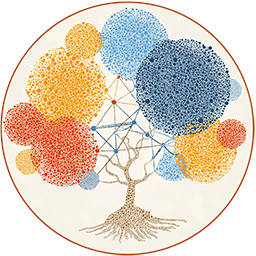
Atlasatlas
Titan who bears the celestial sphere; later the name for any bound book of maps (Mercator, 1595).
Interactive visual maps over corpora — citation networks, concept clusters, argument-evidence graphs, corpus health, reading recommender, temporal timeline. Six views, read-only on the data tree.
Mnemosynemnemo
Titaness of memory, mother of the Muses. Her spring restores what Lethe makes you forget.
Self-hosted academic-paper RAG. Upload PDFs into a workspace; a multi-parser pipeline (Docling, MinerU, PyMuPDF, Claude vision fallback) indexes them and exposes the result over MCP.
Themisthemis
Titaness of divine law and judgment; holds the scales.
Federal grant writing (NSF / NIH / DOE). Solicitation parsing, voice cloning from funded proposals, agency-compliant planning, section-by-section drafting, and a simulated 3-reviewer panel scoring against the published criteria.
Hyperionhyperion
Titan of light and observation, "he who watches from above." Father of the sun, moon, and dawn.
Deep-research companion. Dispatches to three perspectives in parallel (Deep Research, MiMo, Sonar), synthesizes with citations, refines iteratively. Feeds evidence into the production tools.
Aletheiaaleth
Goddess of truth and unconcealment. Linguistically the opposite of Lethe.
Verification for grounded research writing. Catches hallucinated claims, fabricated quotes, missing citations, grammar slips, prose density. Where Mnemosyne remembers, Aletheia reveals.
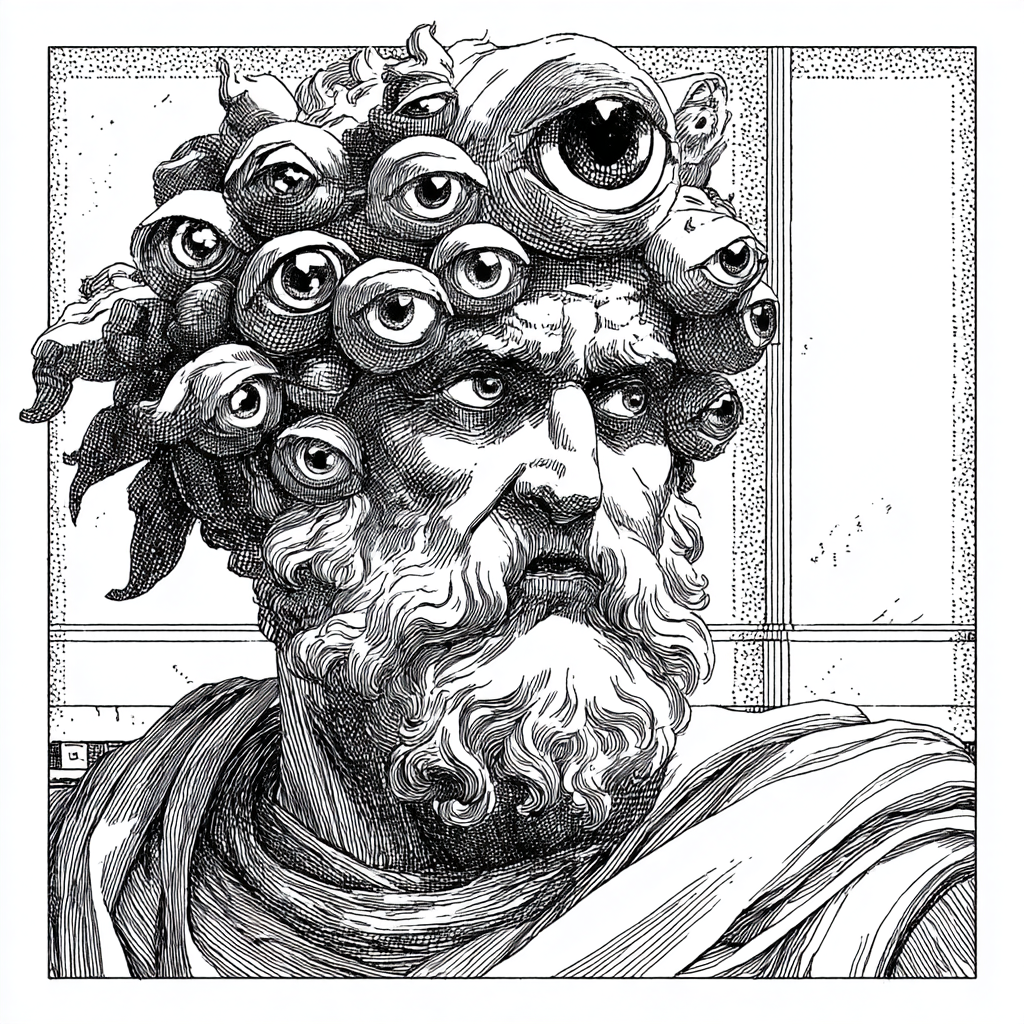
Argusargus
Argus Panoptes, the hundred-eyed giant. Hera's watchman who never slept.
AI-detection and plagiarism-scanner perception checks. Planned; structure drafted, waiting on detection backends reliable enough for institutional scale.
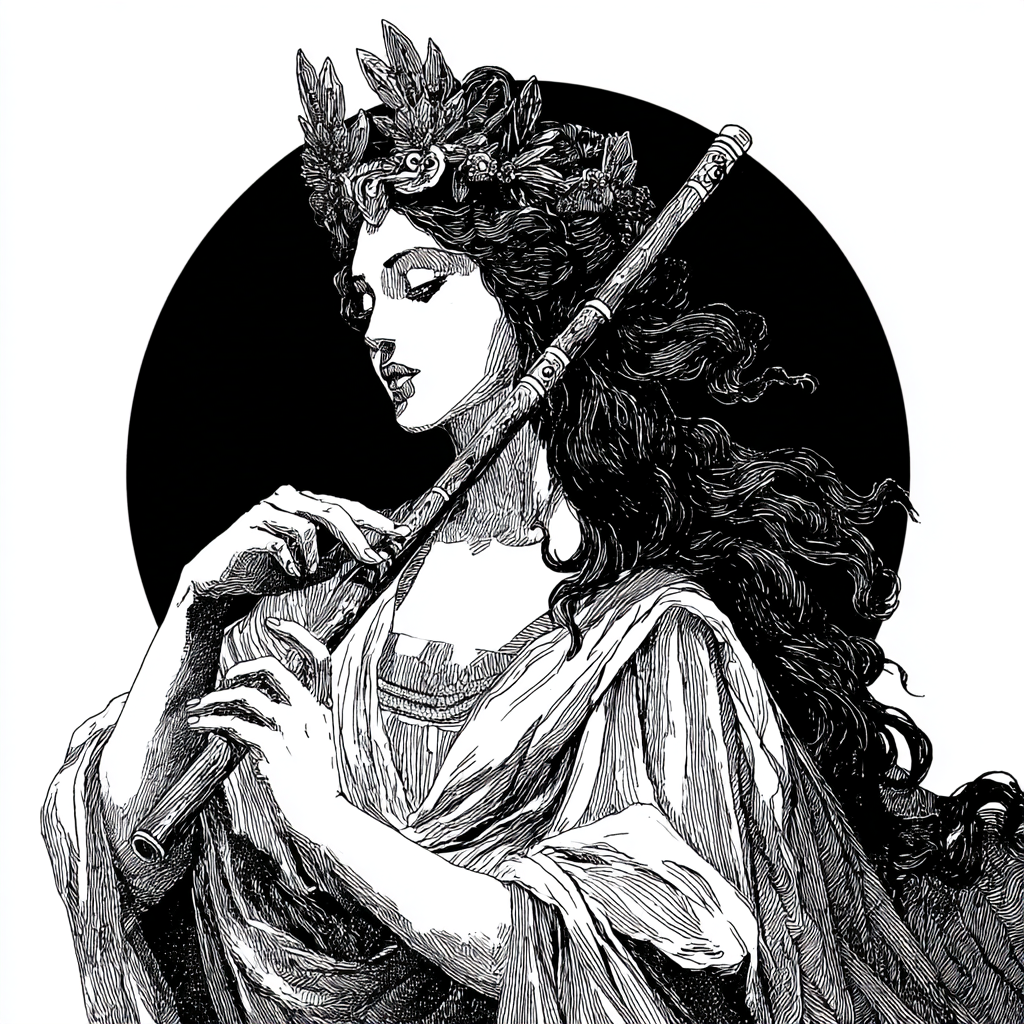
Calliopecalliope
Chief of the nine Muses, daughter of Mnemosyne, Muse of epic poetry — "Sing, goddess, the wrath of Achilles."
Long-form fiction — novels, novellas, short stories. Three-act planning with scene-level goals, 6-layer context stack (canon auto-extracted per chapter), 7-pass fiction revision pipeline, KDP-ready exports. Daughter of Mnemosyne.
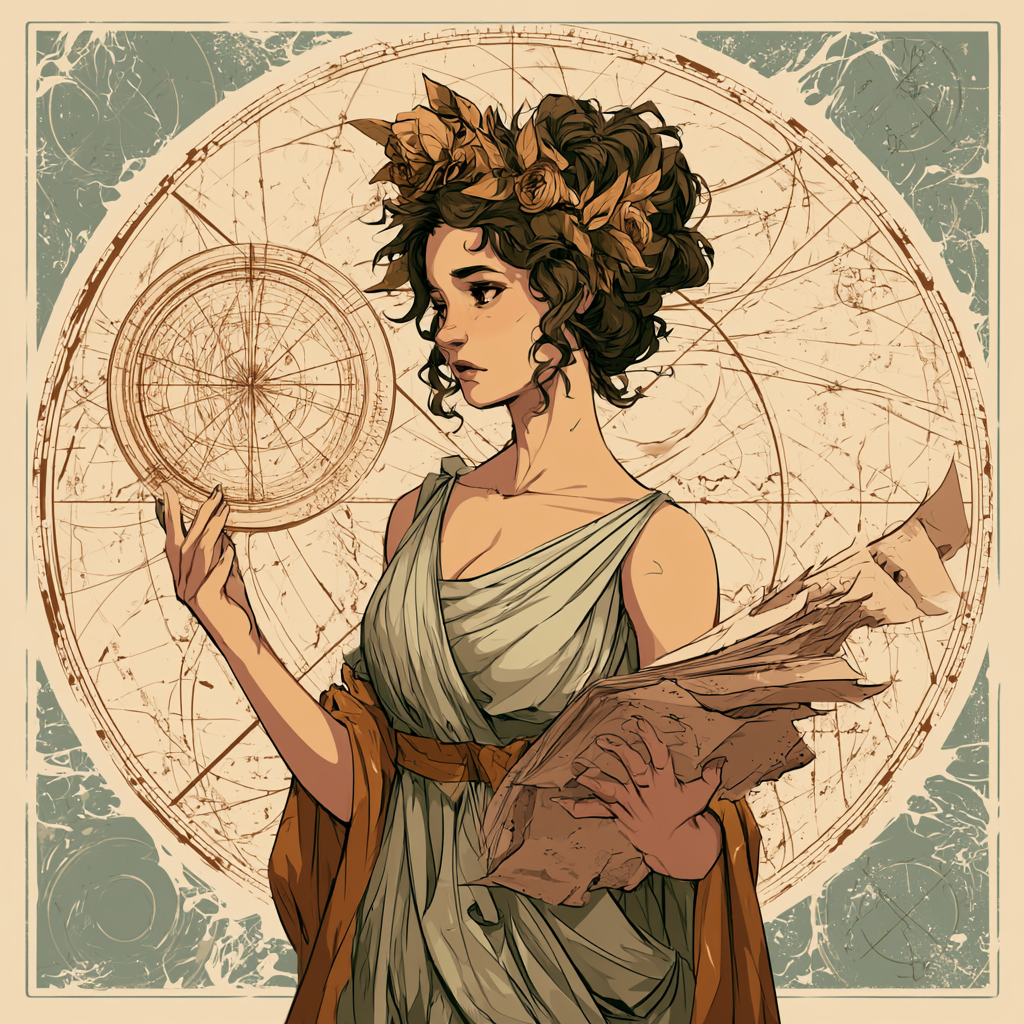
Uraniaurania
Muse of astronomy and the sciences, daughter of Mnemosyne — she charts what the others sing.
Researches and drafts the Groundwork field guides on the Learn page. Works from cited sources, drafts in plain terms before technical ones, verifies claims against a written rubric (citations through Aletheia), and never publishes — every guide is edited, verified, and signed by a human. Daughter of Mnemosyne.
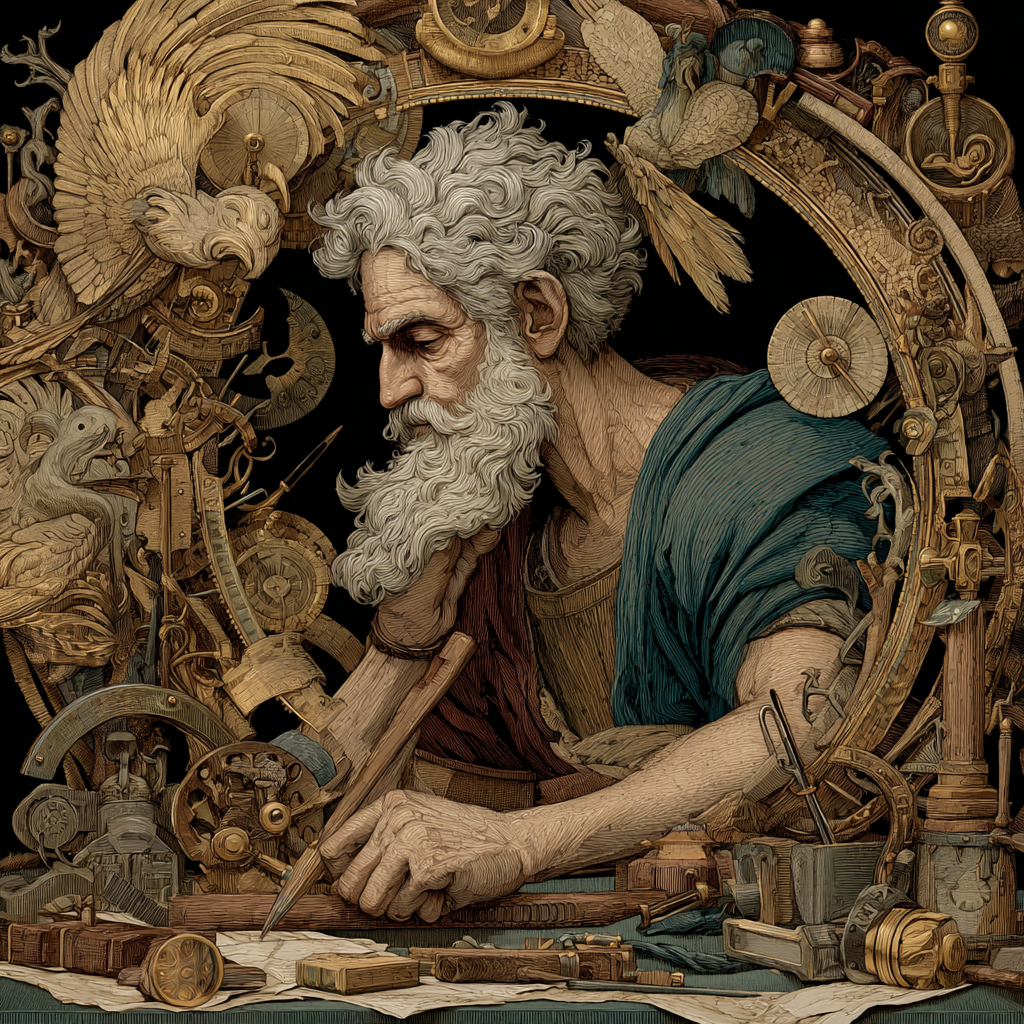
Daedalusdaedalus
Legendary mortal master craftsman; the word "daedal" means skillfully made.
Long-form nonfiction books (leadership, business, self-help, memoir). 10-dimension voice profile, 5-layer context stack, 7-pass revision pipeline, KDP-ready exports. The Muses give inspiration; Daedalus does the work.
Other tools
Built alongside the research workflow but outside it — different problem spaces, same hands.
AIFai-governance
AI governance framework — risk-tiered review for AI-built tools in higher education.
Score AI tools across seven weighted dimensions, route to a Track (1–4), and run a uniform 5-model agent pipeline that produces structured findings no single reviewer could replicate. Built for the wave of vibe-coded faculty and student tools at universities. Public, MIT-licensed, production.
Ficinoficino
AI-powered academic discourse engine — papers turned into a simulated social feed.
Upload papers; six AI personas (Methods Skeptic, Stats Nerd, PhD Candidate, Practitioner, Amplifier, AI Breakthroughs) debate the findings in a Twitter-style feed grounded in your corpus. ADHD-native learning disguised as doomscrolling. Named after Marsilio Ficino — the Florentine scholar who made ancient texts argue across centuries.
LLM Comparellm-compare
Side-by-side LLM comparison for the classroom.
Run the same prompt across Claude, GPT, Grok, Gemini, and two local open-weights models simultaneously. Educational features: blind mode (vote without seeing model names), ELO leaderboard, diff view, temperature slider, cost tracking, prompt history. Built for University of Montana classroom use.
Ethics Statement
ZR Research positions every tool in this portfolio as an advanced assistive system — designed to accelerate drafting, verification, analysis, and decision-making — not as an independent entity capable of claiming authorship. Human users must retain full accountability for the factual accuracy, originality, and intellectual substance of any work produced with these tools.
Each tool incorporates programmatic safeguards appropriate to its domain, but these safeguards minimize rather than eliminate the risk of hallucinations, miscitations, or LLM-derived bias propagating into published work. Users are responsible for verifying outputs, engaging critically with the tools' suggestions, and ensuring that any resulting manuscript or decision reflects their own understanding and judgment.